
our Nutritionist
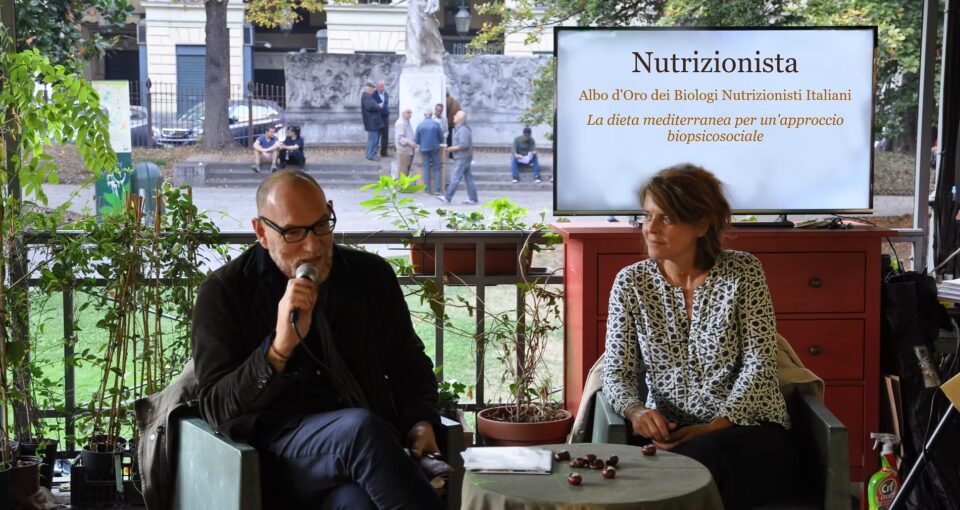
alvatore Alessandro Giannino is a nutritionist biologist, specialized in evolutionary anthropology and Mediterranean biogeography.
From 1999 to 2011, he was the scientific coordinator for the UNESCO Mediterranean Program; scientific director of the International Commission supporting the inclusion of the Mediterranean Diet in the list of Intangible Cultural Heritage of Humanity.
Since 2012, he has been the Delegate of the Parliamentary Assembly of the Mediterranean at UNESCO and the Centre international de hautes études agronomiques méditerranéennes (CIHEAM).
He is the President of the Italian-French Association Mediterran: our lifestyle and author of numerous international scientific publications and television documentaries.
He is a United Nations specialist for the Mediterranean Diet and eating disorders, with a particular focus on maintenance diets for regressive forms of oncological diseases and cardiovascular conditions.
ood as therapy to bring quality back to the center of life. A reflection that stems from observing the early symptoms of eating disorders in young people, specifically the choice to isolate oneself from family meals or dinners to build a new consumption identity, on the remnants of oral traditions passed down from one’s family history and its connection to the rich Mediterranean region.
From the colon to the esophagus, from the ovary to the breast, from the liver to the pancreas, even up to multiple myeloma, weight gain promotes almost all oncological neoplasms, which find contributing factors in fat and inflammation. This is demonstrated by a report from the World Health Organization (WHO), which, as good news, shows that losing weight helps modify the risk curve.
Weight loss does not occur because fewer calories are consumed but because one is more active and eats better, thanks to a lifestyle that is a world heritage: the Mediterranean diet
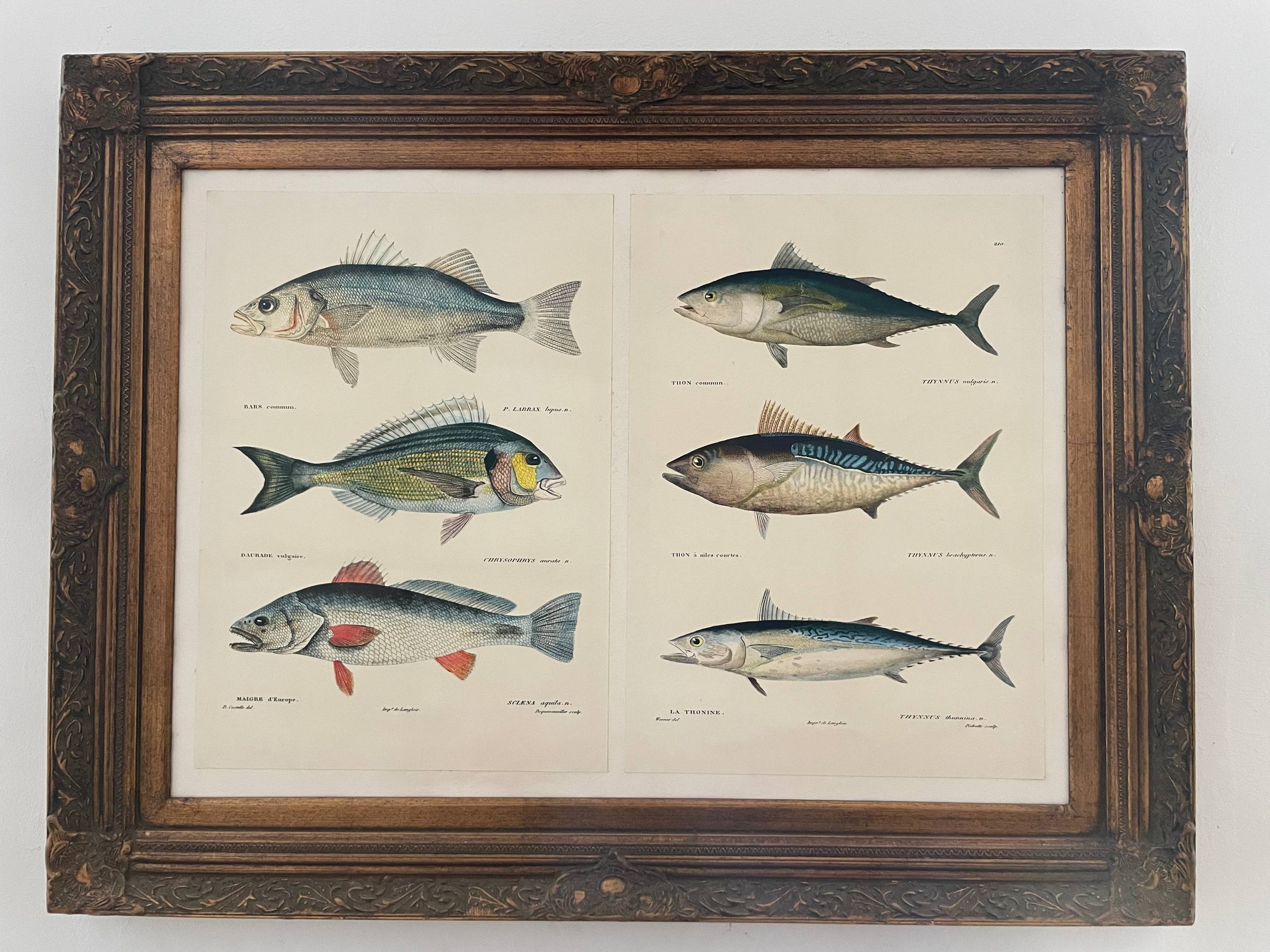
The one followed by our grandparents and great-grandparents, especially along the Italian coasts, before the post-war period, so to speak. In practice, it was an almost vegetarian diet with the addition of fish and small amounts of fresh dairy products. It is therefore fundamentally important to eat foods from our own land — the same foods our ancestors would have eaten — because, even if we are unaware of it, our bodies carry the memory of them and have been shaped by evolution to respond well to familiar foods. This is because two-thirds of longevity depend on lifestyle, and only one-third on genetic inheritance.